Service areas
Estate sales on the North Shore
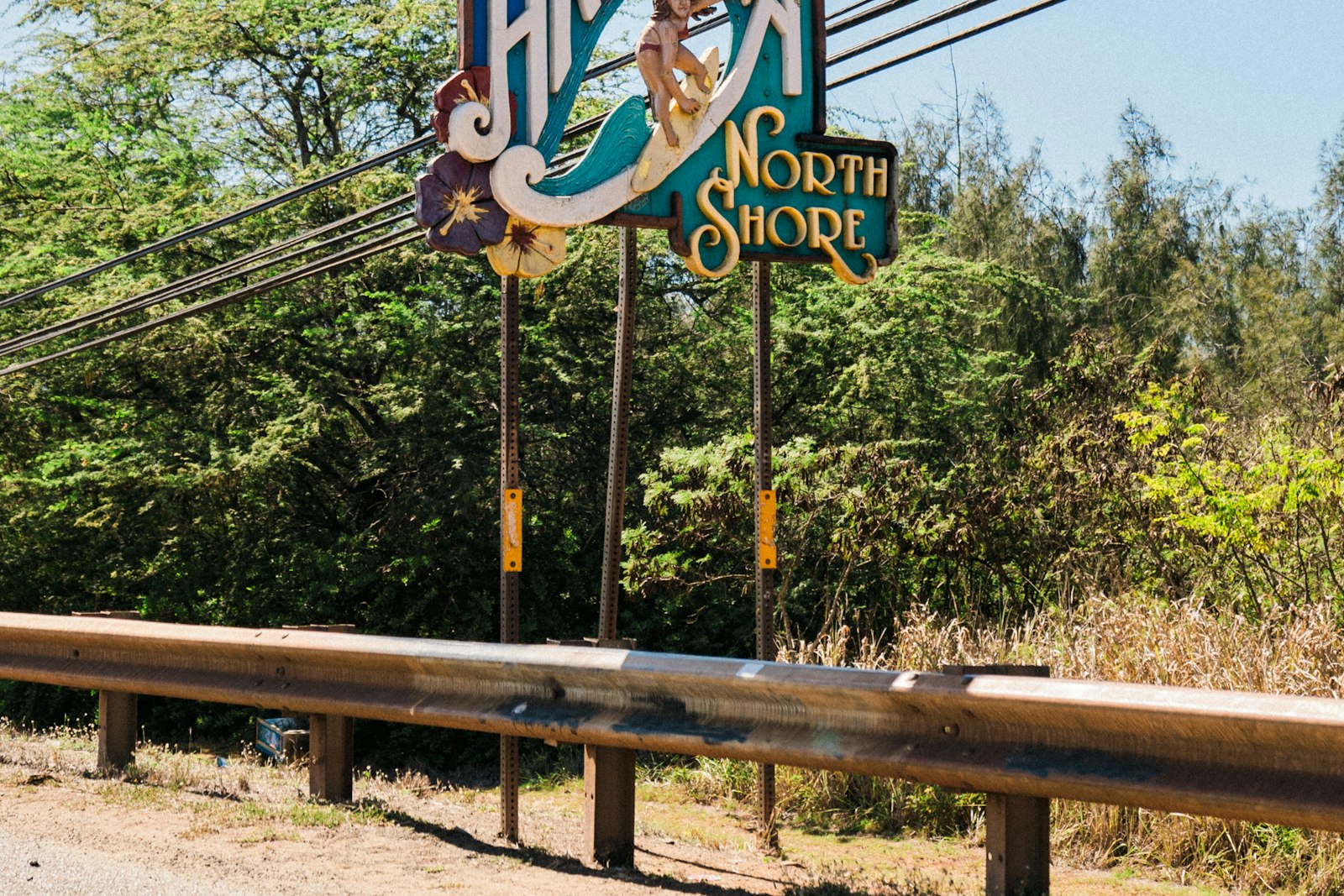
Distance is the defining constraint out here, for our crew, and for the buyers who have to decide whether your sale is worth the drive. Both are solvable, but neither is solved by pretending the North Shore is a suburb of Honolulu.
Distance changes both sides of the sale
A North Shore estate takes more crew hours than an identical estate in town, because every preparation day starts and ends with a drive. That is a genuine cost and it is one of the factors that moves a rate within our published range: we would rather say so on the website than surprise anybody with it at a walkthrough.
It also changes the marketing problem. Buyers coming from town are committing to most of a day, which means a North Shore sale needs to be worth the trip and needs to be presented well enough in advance that people can see it is. A thin listing that would still draw a crowd in Kaimukī will not pull anybody past Wahiawā.
The practical response is more preparation on presentation (better photography, more detailed category descriptions, and earlier listing), so the sale is visibly worth the drive before anyone gets in a car.
Traffic is a scheduling input
Kamehameha Highway is the artery, and it is subject to seasonal and event congestion that can materially affect when buyers can practically arrive. Winter surf season in particular changes traffic patterns through Haleʻiwa, Waimea and Sunset. Sale timing here is worth setting deliberately rather than defaulting to a standard weekend.
Tell us the access early
Unpaved or shared driveways, agricultural lots, properties set well back from the highway, and limited turning space for a truck are all common out here and all affect staffing. None of them are problems: they are just things that need to be known before a schedule is written.
What North Shore estates hold
Older plantation-era and beach housing produces a genuinely distinctive mix. Surfing material is the obvious one: vintage boards, longboards, and surf ephemera are a real collecting field with buyers well beyond Hawaii. Fishing and diving equipment, outdoor and yard equipment, and tools for maintaining an older property in a salt-air environment all turn up consistently.
The long-tenure households also hold plantation-era material: photographs, documents, tools, and Hawaiiana that predates its being collectible. Hawaii-related paper of that period is a serious collecting category and it is very frequently the last thing anyone thinks to look at.
Salt air, and what it does
Coastal properties out here take more corrosion than anywhere else on the island. Metal fittings, tools, appliances, electronics and anything with a mechanism show it, and condition assessment matters more than it would for the equivalent item in Mililani.
The consequence for pricing is straightforward: condition drives value in these categories more than age or brand does, and an honest assessment at preparation produces a better sale than an optimistic one. Buyers out here know exactly what salt air does and will check.
Planning an estate sale?
Tell us where the property is, roughly what's in it, and the date you're working toward. We'll come look, tell you what the estate is realistically likely to do, and put the scope and the rate in writing before you commit to anything.
No cost for the consultation. No obligation to book a sale.