Service areas
Estate sales in Windward Oʻahu
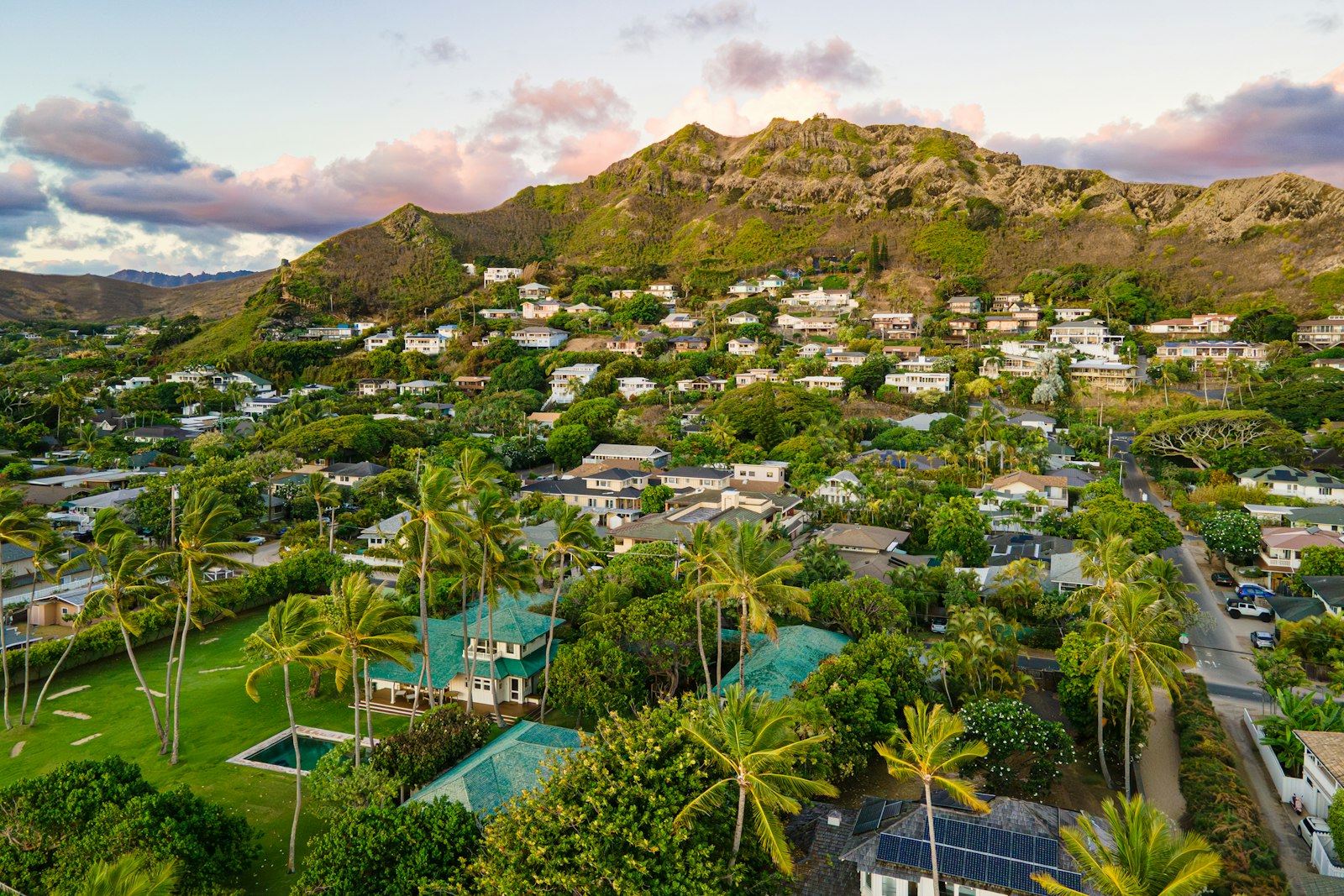
Kailua and Kāneʻohe combine older single-family housing, the wettest residential conditions on the island, and a steady relocation cycle around Marine Corps Base Hawaiʻi. All three change how a sale is prepared.
The humidity is not a talking point here. It is a scheduling factor.
The windward side is the wettest residential part of Oʻahu, and it shows up in estate contents in ways that materially affect what a sale returns. Upholstered furniture, leather, paper, photographs, textiles, books and electronics all degrade faster in sustained damp, and a house closed up through a long probate on this side of the island deteriorates measurably faster than the same house would in Kapolei.
What this means practically: on a windward estate, the cost of delay is higher, and it is worth knowing that at the first conversation rather than six months into an estate. Where a property is going to sit closed for an extended period, the contents worth protecting are worth identifying early: even if the sale itself is months away.
Solid wood, ceramics, glass, metal and jewelry are largely unaffected. It is the soft and paper categories that lose.
Older housing, narrower streets
Much of Kailua and Kāneʻohe is single-story mid-century housing on modest lots, frequently with a carport rather than a garage and street parking that fills quickly. Several Kailua neighborhoods have streets where a public sale genuinely needs a parking plan rather than an assumption, and Lanikai in particular has access and parking constraints that need to be accounted for before a date is advertised.
Check before the sale, not after
Upholstered pieces and stored textiles in a long-closed windward house should be inspected for mold and mildew before they are priced. Selling something that should not have been sold is worse for everybody than pulling it at preparation.
Marine Corps Base Hawaiʻi shapes the calendar
MCBH at Kāneʻohe Bay puts a steady relocation cycle through this side of the island. That produces two distinct kinds of sale in the same neighborhoods: long-tenure family estates, and relocation sales scheduled backwards from a pack-out date.
Relocation sales here run on hard dates and inside houses that are still being lived in. They also benefit from an unusually well-informed buyer pool: arriving families furnishing a household on a deadline, who know exactly what a mainland replacement costs once freight is added.
What windward estates hold
Water and outdoor equipment more than anywhere else on the island: boards, kayaks, paddleboards, dive and fishing gear, beach and camping equipment, and the garden and yard equipment that a wet-side property requires.
The long-tenure Kailua and Kāneʻohe households also hold deep Hawaiiana and, frequently, Japanese and Okinawan pieces. As everywhere on Oʻahu, those reward individual research rather than a mainland price guide.
Outdoor and lanai furniture is a consistently strong category here and worth presenting properly rather than leaving where it stands.
Planning an estate sale?
Tell us where the property is, roughly what's in it, and the date you're working toward. We'll come look, tell you what the estate is realistically likely to do, and put the scope and the rate in writing before you commit to anything.
No cost for the consultation. No obligation to book a sale.