Categories

What sells in an Oʻahu estate

A well-run sale clears the whole household, not just the good pieces. But it is worth knowing where value tends to concentrate here, and where mainland price guides will lead you wrong in both directions.

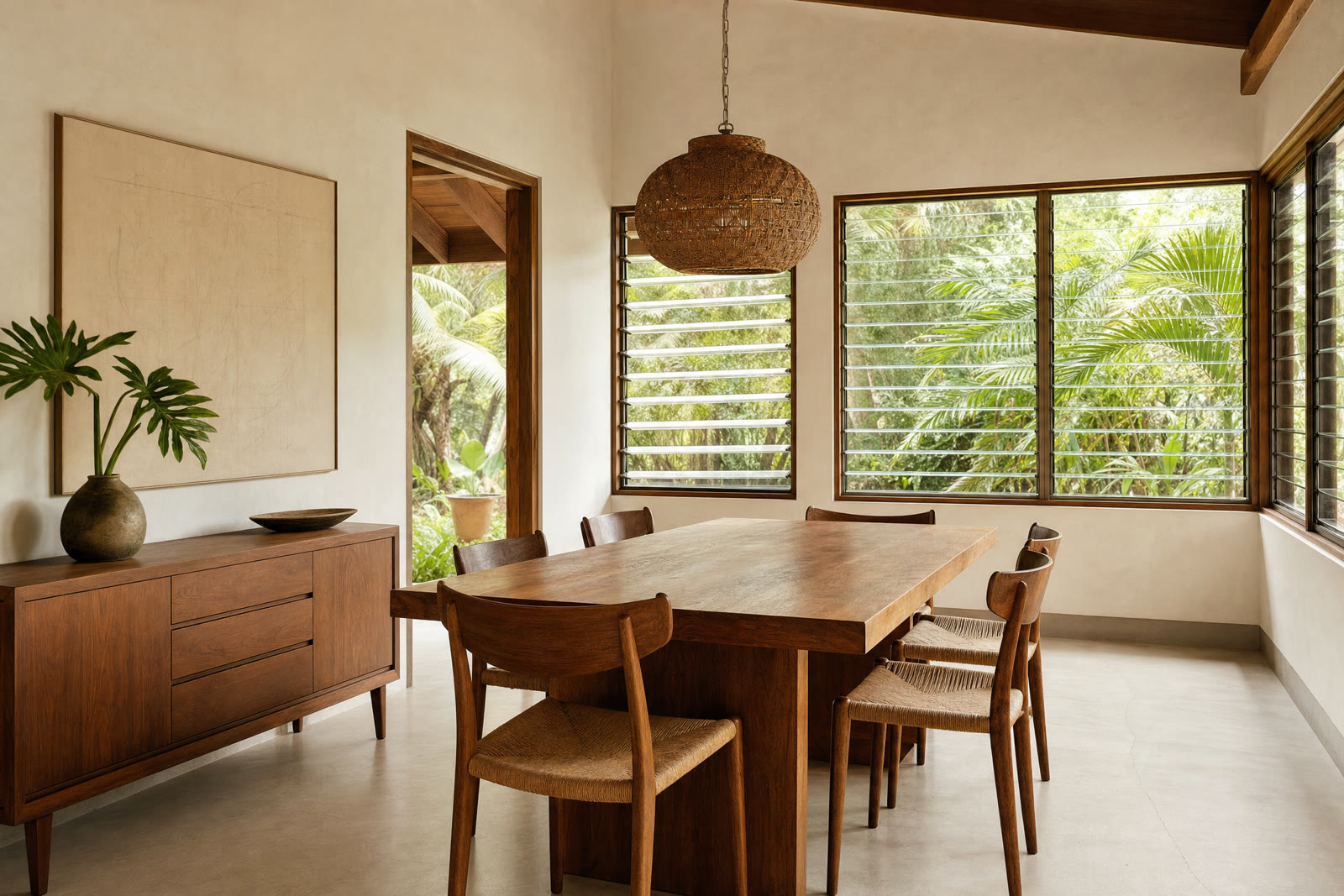
A furnished room with a wooden sideboard, framed pictures, shelving and plants

Furniture

Solid-wood case pieces, dining sets, bedroom sets, mid-century pieces, Asian furniture, rattan and lanai furniture, desks and bookcases, and the ordinary everyday furniture that fills a house and still sells.

Sells strongly: well-built solid wood, mid-century, teak and rattan, anything compact. Sells slowly: large formal brown-wood suites, entertainment units, and bulky items cheap to replace new.
Rows of patterned porcelain cups and saucers arranged on lace-edged shelves

China, glass and the kitchen

Complete dinner services, crystal and barware, Japanese and Chinese ceramics, cast iron and cookware, small appliances, silver and silver plate, table linens, and the full contents of every cabinet and drawer.

Completeness matters more than people expect. A full service of twelve is a materially different item from a partial set, which is one reason we ask you not to break things up before a walkthrough.

An assortment of gold-toned chains, rings and bracelets gathered in a shallow dish

Jewelry and small valuables

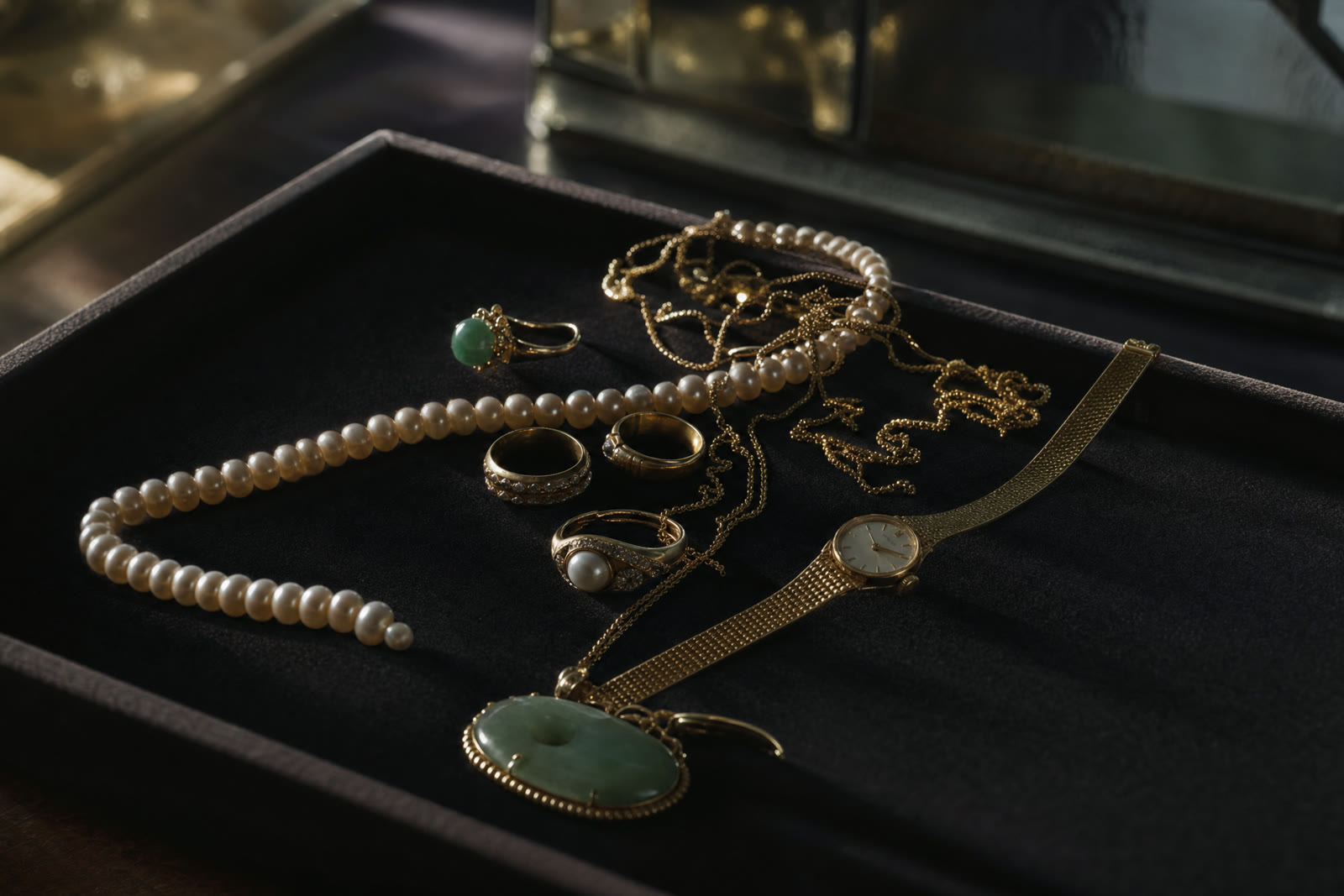
Fine jewelry, costume jewelry, watches, coins and currency, pens, lighters, compacts and the contents of a dresser top.

Costume jewelry is the category families discard most often and regret most reliably. Mid-century costume pieces and signed designer costume jewelry can outperform modest gold. These items are held in a supervised case during the sale rather than left on an open table.

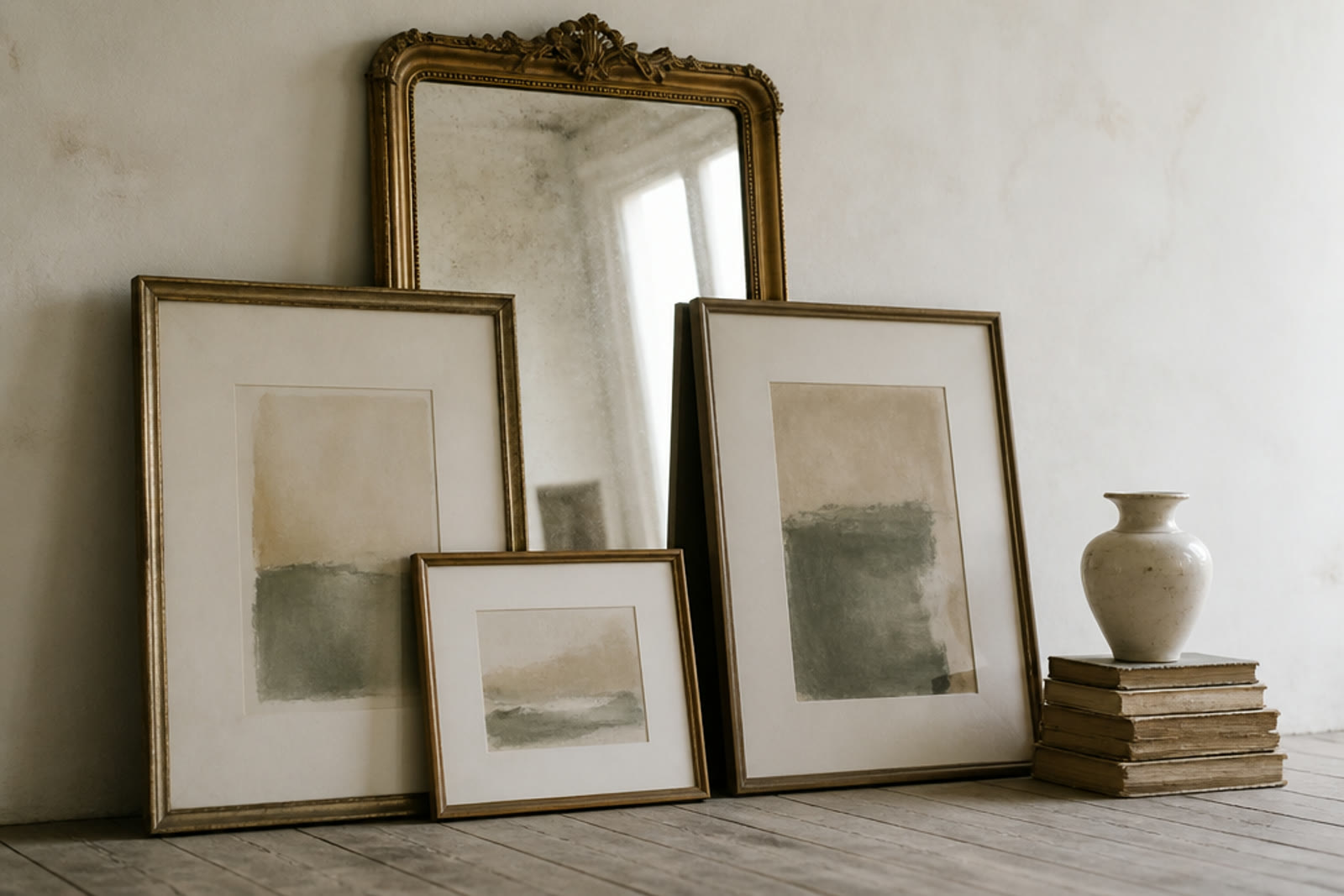
Two framed artworks in gilt and dark frames leaning against a pale wall

Art and decorative objects

Original paintings and prints, framed works, mirrors, lamps and lighting, clocks, sculpture, vases, and the decorative objects that accumulate across decades in a house.

Art is where an incorrect assumption is most expensive in both directions: families discard signed work as "just a print" and hold on to reproductions as heirlooms. Anything with a signature, a gallery label or a frame worth more than the picture is researched individually.

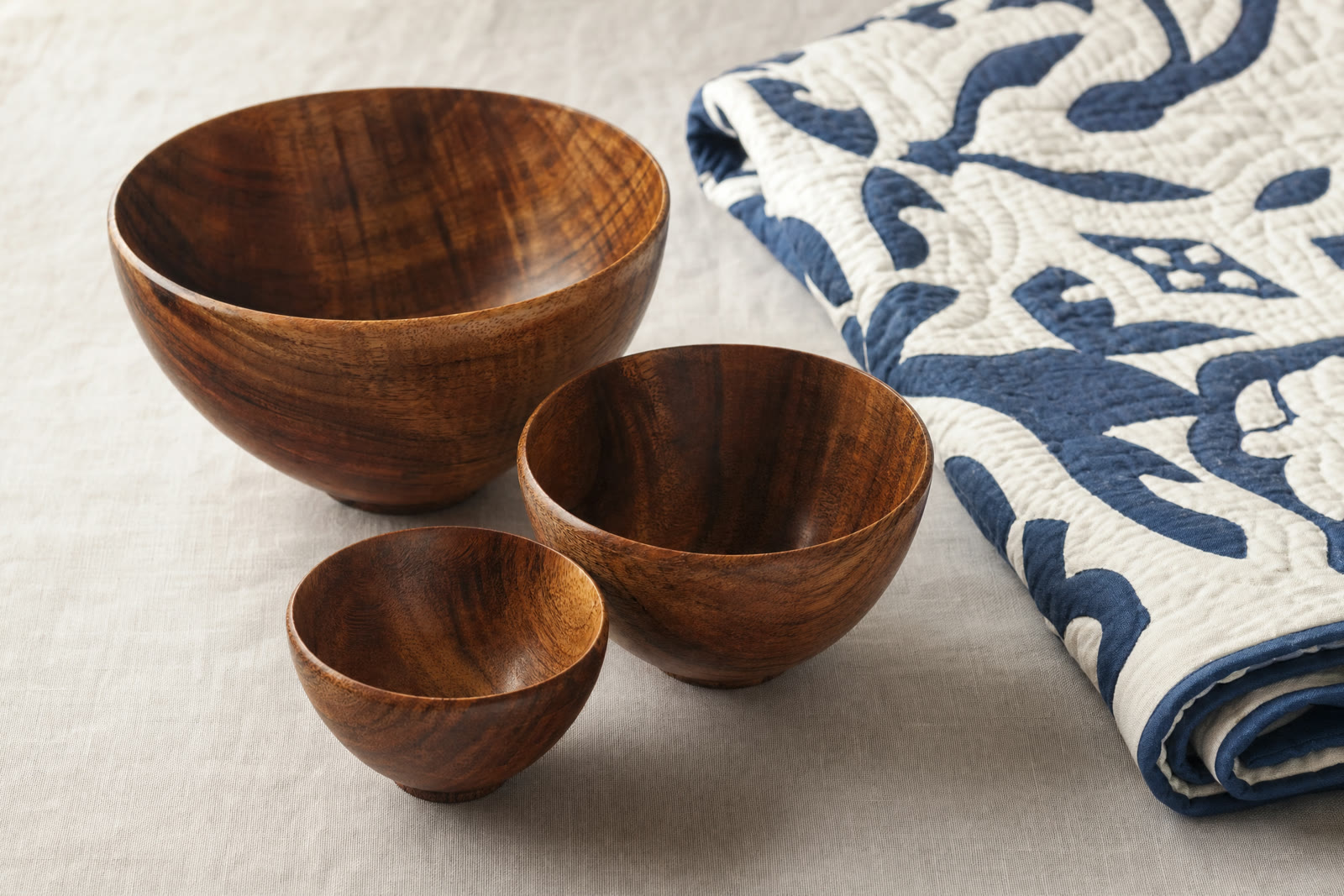
Turned wooden bowls and plates stacked on a pale surface

Hawaiiana and local pieces

Koa bowls and furniture, Hawaiian quilts, ukulele, surfboards and longboards, vintage aloha shirts, Niʻihau shell lei, hula implements, island prints, menus, postcards and ephemera.

Local demand for this category is genuinely different from mainland comparables, and national price guides get it wrong routinely. It is one of the clearest reasons to have an Oʻahu estate priced by someone who works on Oʻahu.

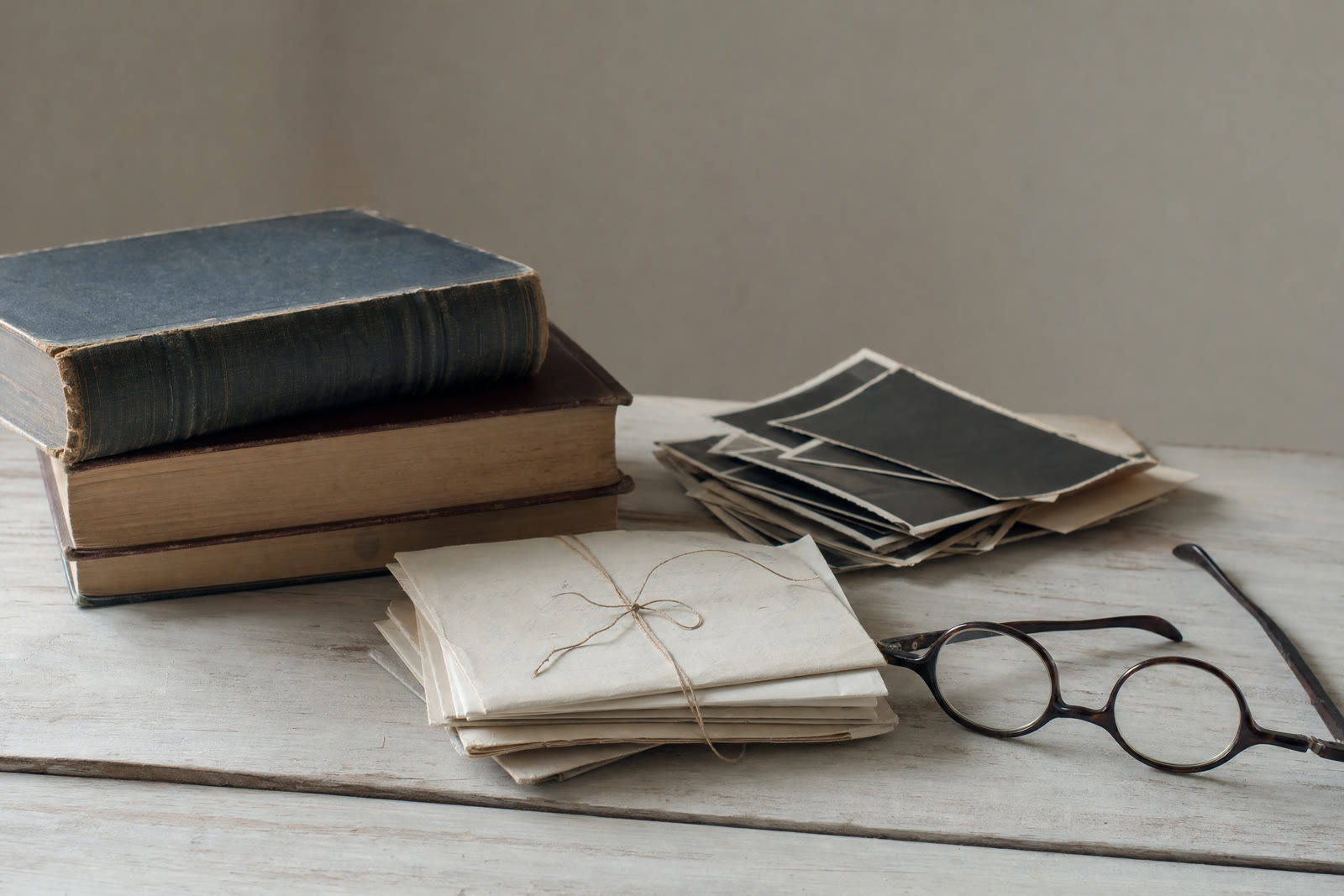
A stack of worn hardback books resting on a windowsill in daylight

Books, paper and ephemera

Books, maps, photographs, letters, documents, sheet music, records, and the paperwork that accumulates in desks and filing drawers.

Hawaii-related paper (plantation-era documents, island photography, early tourism material, local publications) is a real collecting field, and it is very frequently the last thing anyone thinks to look at before a skip is ordered.

Asian antiques

A category that turns up constantly in Oʻahu households

Hawaii's demographic history means Japanese, Chinese and Okinawan pieces appear in ordinary estates here at a rate that has no mainland equivalent: brought by families over generations, and often never thought of as collectible by the households holding them.

What shows up

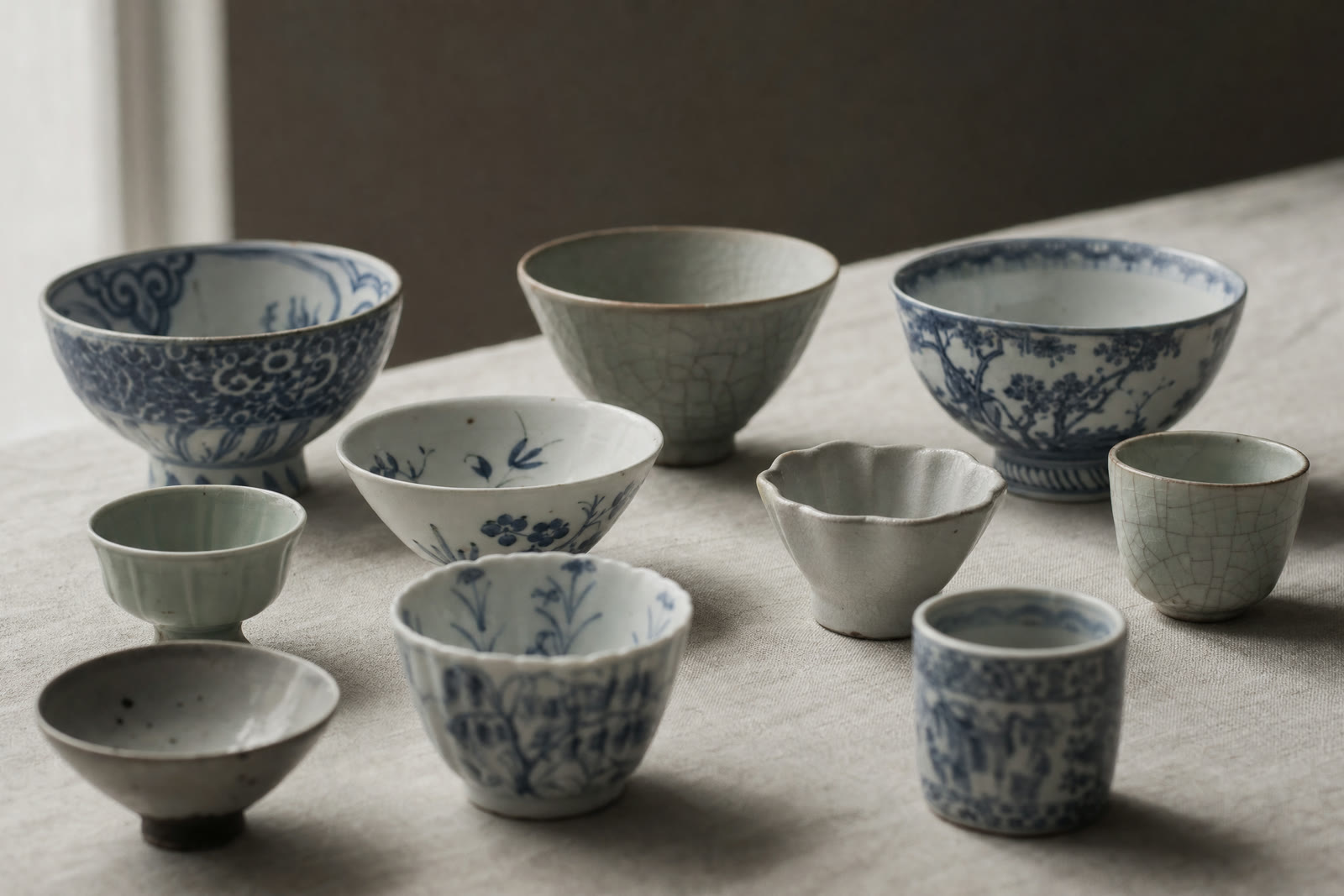
Imari and Satsuma, celadon and blue-and-white, tansu and other case furniture, netsuke and small carvings, scrolls and screens, tea ware, cloisonné, jade and hardstone, obi and textiles, and Okinawan pottery.

Why it gets mispriced

The range within any of these categories is enormous: a mass-market twentieth-century piece and a serious one can look similar to an untrained eye, and the difference between them is not small. Guessing in either direction is costly.

How we handle it

Identified during preparation and researched individually rather than bundled into a general household price. Where a piece genuinely warrants a specialist's opinion before it is priced, we will tell you that instead of estimating.

The unglamorous categories that carry sales

These rarely produce a single headline item, but across a full household they frequently add up to more than the antiques do, and they are the categories most often thrown away before anyone looks:

  • Tools, hardware, ladders, and everything in a workshop or garage
  • Garden equipment, planters, outdoor and lanai furniture
  • Sewing, quilting, knitting and craft supplies: a consistently strong category
  • Fishing, diving, surfing and camping equipment
  • Luggage, holiday decorations, linens and textiles
  • Kitchen small goods, storage, and the contents of every utility drawer

What we generally cannot sell at the sale

Some categories carry legal, licensing or safety obligations, or need a different channel entirely:

  • Firearms and ammunition
  • Titled vehicles and vessels
  • Prescription medication
  • Hazardous materials, certain chemicals and propane
  • Recalled products, and items requiring licensing to transfer
  • Real property, which is separate work entirely

Where an item cannot be sold at the sale, that does not mean it has no value: it means it needs the right route. The exclusions that apply to your estate are confirmed at the walkthrough and named in the written scope.

Start with a walkthrough

Tell us where the property is, roughly what's in it, and the date you're working toward. We'll come look, tell you what the estate is realistically likely to do, and put the scope and the rate in writing before you commit to anything.

No cost for the consultation. No obligation to book a sale.